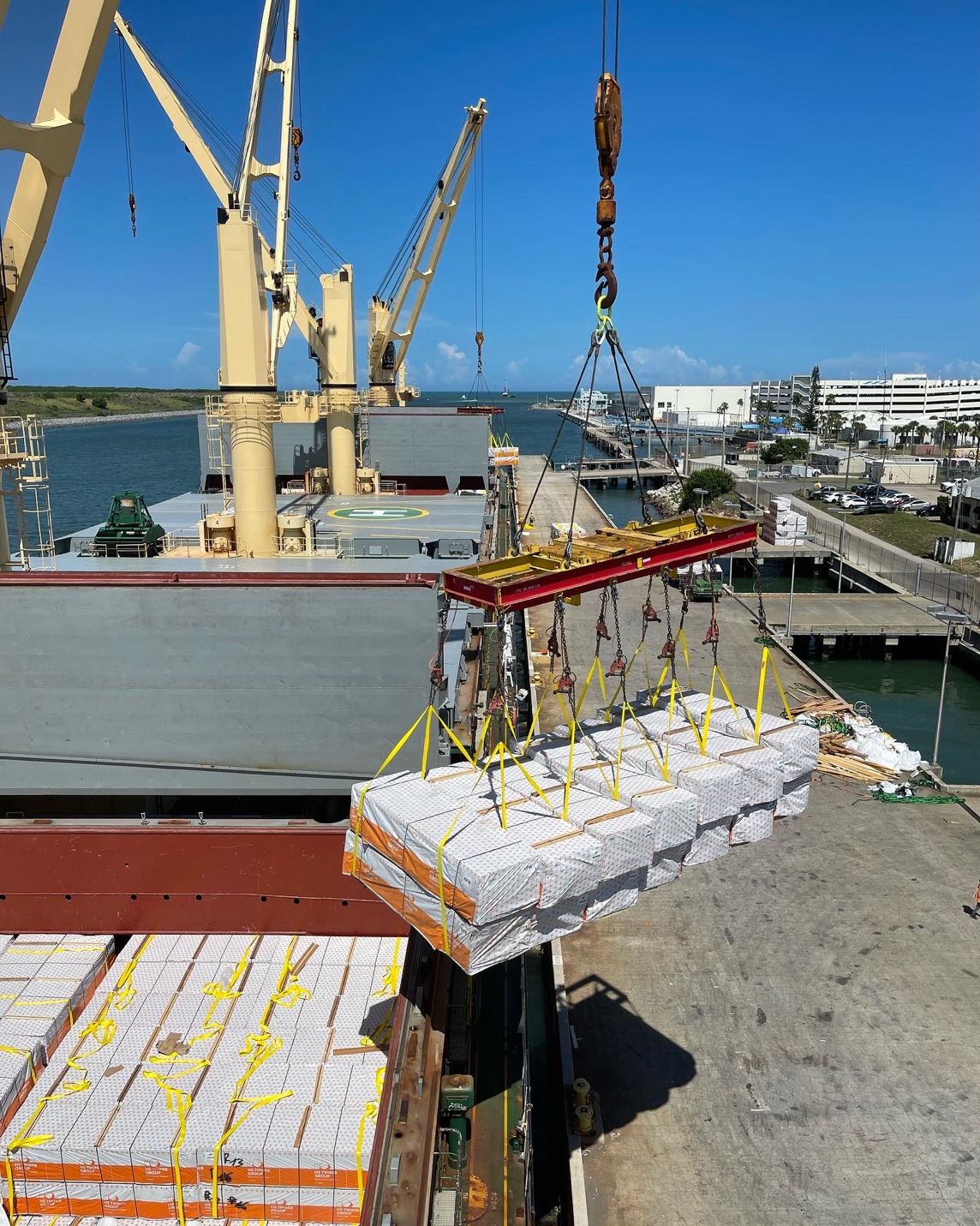
The H-Lift Endless One-Way Sling (DIN 60005) is a specialized, disposable lifting accessory designed exclusively to accompany a specific load for a single journey from source to final destination.
Single-Use Design: Intended strictly for one trip and must be responsibly disposed of upon reaching its destination to ensure safety.
Continuous Attachment: Designed to securely wrap around the load and remain attached throughout the entire shipping and handling process.
Cost-Effective Solution: Provides an ideal lifting method when retrieving traditional slings is impractical, or when hygiene and contamination control are critical.
Distinct Application: Differing from reusable EN 1492-1 slings, these are not for general-purpose lifting and must only be used within the manufacturer's specified limitations.
Safety Identification: Note the distinctive Orange/White label required by DIN 60005, clearly marking the sling as "Do Not Reuse" to ensure safety at the destination.
Product Features
DIN 60005 Certified: Manufactured strictly according to the German standard DIN 60005, ensuring consistent quality and safety for disposable lifting applications.
Single Trip Efficiency: Designed for "One Way" logistic chains (factory to final destination), eliminating the costs and complexities of returning or certifying reusable slings.
Pre-Slung Cargo Solution: Allows goods (such as steel tubes, timber bundles, and big bags) to be slung at the source, enabling faster loading/unloading at ports and reducing handling time.
Safety Factor 5:1: Despite being disposable, these slings maintain a 5:1 Safety Factor, providing a safe lifting margin during the rigorous export journey.
Versatile Configurations: Available in both Endless (for choking bundles) and Eye & Eye (for direct hook attachment) styles to suit various cargo types.
Specific Labeling: Comes with the distinct orange/white label specific to one-way slings, clearly warning users "Do Not Reuse" to prevent accidents.
Standard Comparison: One Way vs. Reusable
Standard
Type
Safety Factor
Critical Rule
DIN 60005 Current Item
One Way / Disposable
5:1
MUST be destroyed after the transport chain ends. Do not reuse.
Can be reused subject to regular safety inspections.
Technical Specifications
Item No.
WLL (kg)
Width (mm)
Effective Length
Product Code
WS09-0500
500
25/30
0.5m ~ 10m
305025050
WS09-0750
750
25/30
0.5m ~ 10m
305025075
WS09-1000
1000
30/35
0.5m ~ 10m
305030100
WS09-1200
1200
50
0.5m ~ 10m
305050120
WS09-1500
1500
50
0.5m ~ 10m
305050150
WS09-1700
1700
50
0.5m ~ 10m
305050170
WS09-2000
2000
50/60
0.5m ~ 10m
305050200
WS09-2250
2250
50/60
0.5m ~ 10m
305050225
WS09-2500
2500
75
0.5m ~ 10m
305075250
WS09-3000
3000
75/90
0.5m ~ 10m
305075300
One Way Trip Sling
DIN 60005 Single-Use Textile Lifting Sling
Logistics Solution: Designed to accompany cargo from origin to destination without the cost of return logistics.
What is a One Trip Sling?
A "one trip textile sling" is a specialized lifting sling made from woven webbing (typically polyester) designed for a single, specific lifting and transport operation. It accompanies a load from its origin to its final destination just once.
Crucial Rule: After the trip is complete, the sling must be taken out of service and never reused.
Key Characteristics
Single Journey Design: Unlike general-purpose slings, these are not engineered for repeated lifting cycles. They are optimized for one specific logistical chain.
Industry Applications: Commonly used in shipping, rigging, export cargo handling, and construction where returning lifting gear is impractical or cost-prohibitive.
Clear Identification: These slings are often labeled with "One Way," "Disposable," or "Do Not Reuse" to distinguish them from standard lifting gear.
Cost-Effective: Lower utilization expectation allows for a more economical design tailored for single-use safety factors (typically 5:1 or 4:1 depending on specific regulations).
⚠️
SAFETY & COMPLIANCE WARNING
One trip slings are legal and safe when used exactly as intended. However, reusing them is strictly prohibited and can lead to unsafe conditions. Once the job is done, the sling must be retired and appropriately disposed of to prevent accidental reuse.
Download
We use cookie to improve your online experience. By continuing browsing this website, we assume you agree to our use of cookie.