In industries ranging from automotive repair to construction, lifting heavy loads safely and efficiently is a daily challenge. Enter the hydraulic bottle jack—a compact, powerful tool designed to handle demanding tasks with precision. This blog explores how bottle jacks work, their advantages, applications, and best practices for optimal performance.
What Is a Hydraulic Bottle Jack?
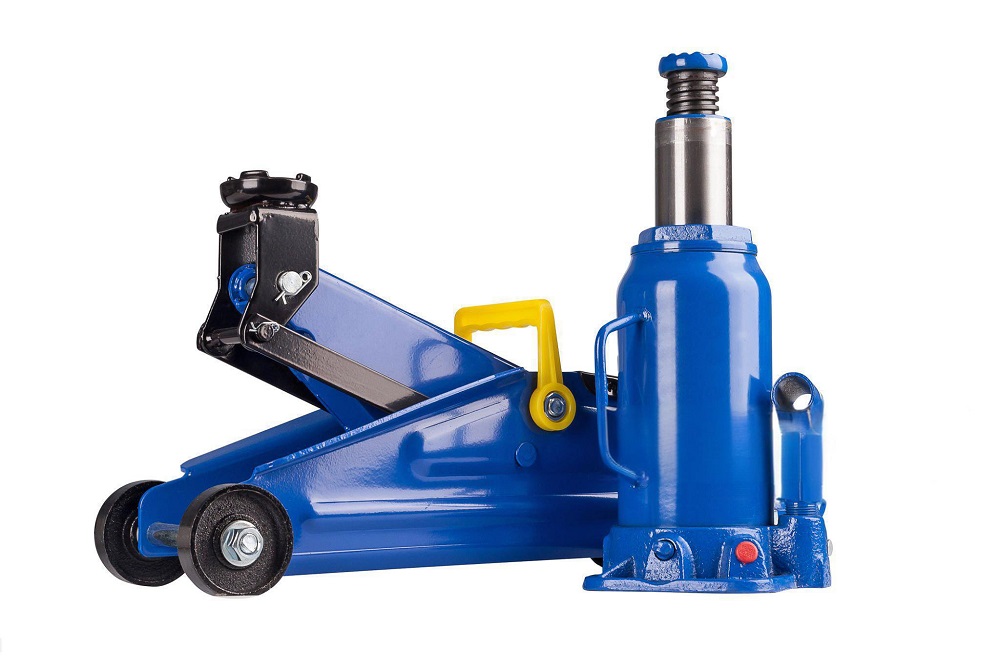
A hydraulic bottle jack is a portable lifting device shaped like a bottle, featuring a vertical piston and hydraulic mechanism. It converts manual force into significant lifting power, making it ideal for raising vehicles, machinery, or structural components.
Key Components:
- Reservoir: Stores hydraulic fluid (typically oil).
- Pump: Manual pump to build pressure.
- Piston: Extends vertically to lift the load.
- Release Valve: Safely lowers the load after use.
How Does a Bottle Jack Work?
- Pumping Action:
- When the handle is pumped, hydraulic fluid is drawn into the cylinder.
- Pascal’s Law amplifies the force, creating pressure to lift the piston.
- Lifting:
- The piston extends vertically, raising the load.
- Most bottle jacks have a lifting range of 6–20 inches (15–50 cm).
- Lowering: Slowly open the release valve to allow fluid back into the reservoir, lowering the load gently.
Advantages of Hydraulic Bottle Jacks
- High Load Capacity: Bottle jacks can lift 2–100 tons, outperforming screw jacks in heavy-duty scenarios.
- Compact Design: Their vertical, space-saving shape fits into tight spaces (e.g., under vehicles).
- Portability: Lightweight and easy to transport, ideal for fieldwork or emergency repairs.
- Cost-Effective: Lower maintenance costs compared to pneumatic or electric alternatives.
Common Applications
- Automotive Repairs: Lifting cars, trucks, or agricultural equipment for tire changes or undercarriage work.
- Construction and Manufacturing: Positioning steel beams, machinery, or prefab structures.
- Industrial Maintenance: Aligning heavy equipment or replacing conveyor belts.
- Emergency Services: Rescuing trapped vehicles in accidents.
Choosing the Right Bottle Jack
- Load Capacity: Select a jack rated for at least 1.5 times your maximum load (e.g., 15-ton jack for a 10-ton load).
- Lift Height: Ensure the jack’s maximum extension exceeds your required working height.
- Certifications: Look for compliance with ASME PALD (Post-Assembly Lifting Devices) or EN 1494 standards.
Safety Tips for Using Bottle Jacks
- Inspect Before Use: Check for fluid leaks, damaged seals, or bent pistons.
- Stable Base: Place the jack on a flat, non-slip surface to prevent tipping.
- Use Jack Stands: Never work under a load supported solely by a bottle jack. Always use mechanical jack stands.
- Avoid Overloading: Respect the Working Load Limit (WLL) marked on the jack.
Maintenance Best Practices
- Hydraulic Fluid: Replace oil annually or if contamination is detected. Use manufacturer-recommended fluid.
- Lubrication: Apply grease to the piston and pivot points every 3–6 months.
- Storage: Keep the jack clean and store it vertically to prevent fluid leaks.
Bottle Jack vs. Floor Jack: Which to Choose?
|
Factor
|
Bottle Jack
|
Floor Jack
|
|
Capacity
|
2–100 tons
|
1.5–12 tons
|
|
Lift Height
|
6–20 inches
|
15–24 inches
|
|
Portability
|
Compact and lightweight
|
Bulkier, requires more storage space
|
Troubleshooting Common Issues
- Jack Won’t Lift:
- Check fluid levels and ensure the release valve is fully closed.
- Slow Lifting:
- Air in the system—bleed the jack by opening the release valve and pumping several times.
- Leaking Fluid:
- Replace worn seals or O-rings immediately.
Conclusion
Hydraulic bottle jacks are indispensable tools for heavy lifting, combining power, portability, and reliability. Whether you’re repairing a truck on a remote site or installing industrial equipment, understanding their capabilities and safety protocols ensures efficient and risk-free operation.